by Coach Marley
Putting is often described as a game of precision, but it’s just as much about visualisation. One of the most effective ways to improve your consistency on the greens is to understand the ball’s entry point — the exact point where the ball should enter the hole based on the slope and its speed.
Rather than focusing only on the line from the ball to the hole, skilled golfers visualise the ball’s final rotation as it approaches the cup. A simple way to do this is by imagining the hole as the face of a clock.
Picture the Hole as a Clock Face
- 6 o’clock represents the point directly in front of you on a perfectly straight putt.
- On a left-to-right breaking putt, the ideal entry point is somewhere between 6 and 9 o’clock.
- On a right-to-left breaking putt, the ball should enter between 6 and 3 o’clock.
This visualisation helps you better understand how the slope influences the ball’s final approach, making it easier to select the correct starting line.
Why the Entry Point Matters
Choosing the right entry point isn’t only about direction — it also determines how fast the ball should be rolling as it reaches the hole.
Your target entry point influences both:
- The ball’s path as it follows the break.
- The ball’s pace as it enters the cup.
Understanding the relationship between entry point, break and speed is an important part of effective golf coaching. A coach can help golfers learn how to read different slopes, identify the ideal entry point and understand how their putting speed affects the amount of the hole available to them. With the right guidance and practice, golfers can make more confident decisions instead of simply aiming at the centre of the hole.
When choosing a target entry point, selecting a line that forces you to hit the ball at a greater speed than necessary can leave you with a higher chance of lipping out. It can also leave the ball in an uncomfortable position and potentially lead to a three-putt.
This is particularly common when golfers treat different putts differently, such as Birdie Putts compared to Par or Bogey Putts. From my personal experience, I have seen clients hit Birdie or Eagle putts with more force because they are focused on making the putt. As a result, they can miss the hole and walk away with a worse score than they might otherwise have achieved.
When the ball has more velocity as it approaches the hole, compared to a putt that is simply dropping in on its final roll, we decrease the area through which the ball can enter the hole.
For example, if we hit the ball at a speed that would carry it 1 metre past the hole, while targeting an entry point on the right edge of the cup at 3 o’clock, we are severely reducing our chances of holing the putt.
A well-chosen entry point allows the ball to use the natural contours of the green instead of fighting against them.
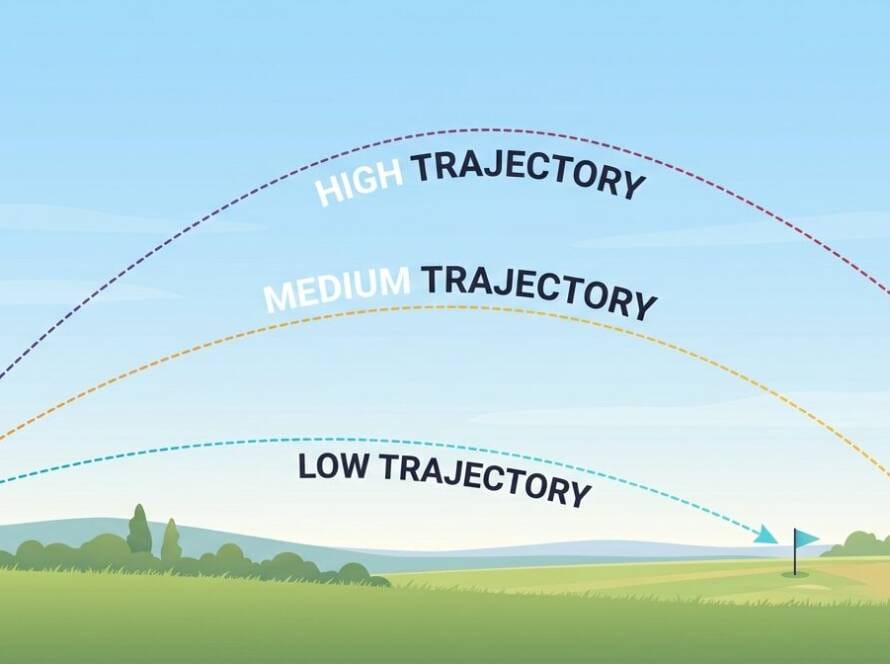
High Line vs. Low Line
There are generally two ways to play a breaking putt.
Aim Higher
A higher starting line gives the ball more room to follow the slope naturally. Because the ball has more time to break, it can be struck with a softer pace, resulting in a smoother entry into the hole.
This approach often increases the effective size of the hole and improves your chances of holing the putt.
Aim Lower
A lower starting line requires a firmer stroke. Since the ball has less time to break, it must travel at a higher speed to stay on line.
While this can be effective, the margin for error is smaller because a faster moving ball is less likely to stay in the hole if it catches the edge.
A Simple Putting Mindset
When reading a putt, don’t think only about where the ball starts. Instead, imagine where you want it to enter the cup.
Working backwards from the entry point makes it easier to choose the correct line and speed.
The next time you’re standing over a breaking putt, picture the clock face around the hole. Visualise the ball rolling into the correct “hour” before making your stroke.
Improve Your Putting with Expert Golf Coaching in Singapore
Understanding entry points, green reading and putting speed can make a significant difference to your consistency on the greens. If you want to take your putting to the next level, a structured Putting Masterclass can help you understand your stroke, improve your green reading and develop better control of your pace and putter face.
For more tips on developing your putting consistency and face control, read our guide on How to Improve Your Putting Stroke: Consistency and Face Control Explained.
If you’re looking for Putting Masterclass Singapore options or professional putting coaching in Singapore, explore our coaching programmes and upcoming masterclasses to find the right programme for your game.
Final Thought
Great putters don’t simply aim at the hole — they aim for the best way into the hole.
By understanding how the entry point changes with different breaks and speeds, you’ll make better decisions on the green and hole more putts.
Remember: Aim higher, let the slope do the work, and make putting easier.