by Coach KJ
“Can’t I just buy a shorter club?” It’s one of the most common assumptions parents make when introducing their kids to golf. But in reality, a club’s length and weight shape everything: a child’s posture, timing, and even whether they enjoy the game at all. Here’s why these two factors matter so much, and how to get them right.
Why Length Matters More Than You’d Think
What actually happens when a child swings a cut-down adult club, or one that’s simply too long for them?
Their posture breaks down. A club that’s too long forces a child to hunch over or overreach with their arms just to make contact. Those compensations quietly become habits in the setup and swing path, habits that are surprisingly hard to unlearn, even years later.
Their timing gets thrown off. Longer clubs create a wider swing arc, which makes it much harder to predict exactly where the clubhead meets the ground. The result is fat shots, topped balls, and a kid who starts thinking “I’m just bad at this,” when the real problem was the equipment all along.
Why Weight Matters Just as Much
They can’t generate any real clubhead speed. Adult clubs are built with heavier heads that a child’s muscles aren’t strong enough to accelerate properly. So instead, kids end up muscling the swing with their arms, a habit that’s hard to shake later on.
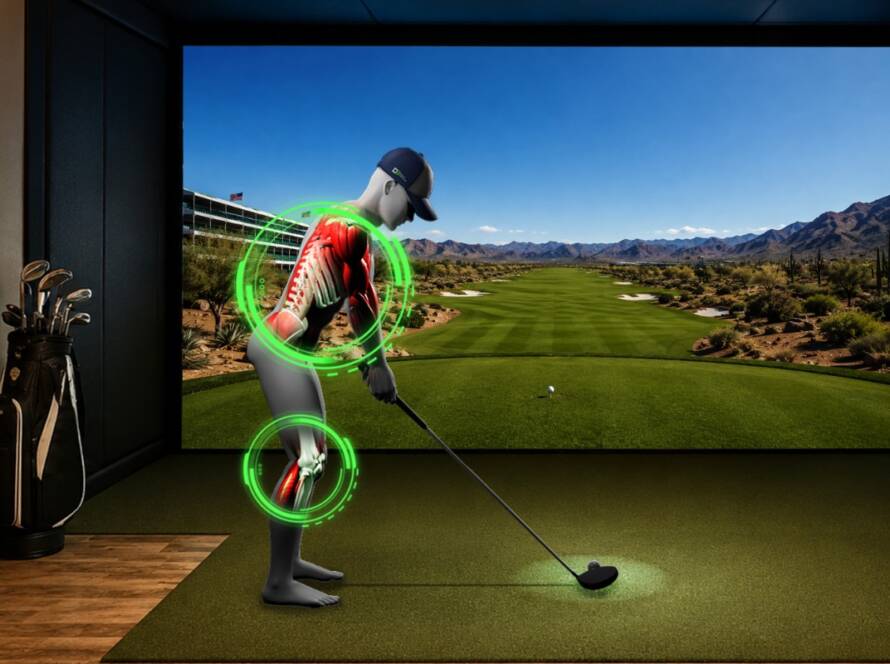
And the injury risk is genuinely serious. This deserves more attention than it usually gets. A growing child’s bones, joints, and growth plates work completely differently from an adult’s. Swinging a club that’s too heavy, over and over, can put real strain on wrists, elbows, and lower backs that simply aren’t ready for it.
Growth plate stress is one concern, since the ends of growing bones are especially sensitive to repeated impact, and a heavy, forced swing repeated day after day can quietly build up chronic stress right at these vulnerable points.
Wrist and elbow strain often follows, since when a child compensates for a heavy clubhead with pure arm strength, wrist flicking and elbow strain tend to become built-in parts of the swing.
Lower back load builds too, as a heavy club paired with broken-down posture puts extra rotational stress on a spine that’s still developing.
The sneaky part is that it’s all cumulative. Unlike a sprained ankle, this kind of damage doesn’t hurt right away. It builds silently, and often only shows up later as chronic pain or a growth issue, which is exactly why it’s worth preventing early rather than waiting to notice a problem.
Getting the length and weight right isn’t just about swing mechanics, it’s really about protecting a growing body. Don’t wait for your child to complain about pain before making a change. The best prevention is simply choosing equipment that never puts unnecessary strain on them in the first place. This is one reason why experienced coaches place so much emphasis on age appropriate equipment and movement patterns.
If you’re wondering what a structured junior program looks like beyond equipment fitting, our parent’s guide on Junior Golf classes explains how coaching changes with age, skill level, and physical development.
Club Length Guide by Height
| Child’s Height | Recommended Club Length |
| 110–120cm | ~26–28 inches |
| 120–135cm | ~30–32 inches |
| 135–150cm | ~34–36 inches |
| 150cm+ | Time to consider adult clubs |
A Few Practical Tips
- Check the fit every 6–12 months, since kids grow fast, and a club that fit perfectly last year might already be too short.
- Don’t rule out used clubs or rentals, since kids outgrow clubs quickly, and buying a brand new full set every time isn’t always the most practical option, so secondhand gear works just as well.
- Let them swing it before you buy it, since specs only tell you so much, and watching your kid actually take a few swings in store is the best way to know if a club really fits.
For a deeper look at how posture and setup influence the golf swing, read “Setup Is Everything” to understand why the correct address position is the foundation of every good junior swing.
The Bottom Line
Choosing the right junior clubs isn’t just a shopping decision, it shapes how your child swings and how they feel about golf from the very start. The wrong fit can mean bad posture, real injury risk, and worst of all, a kid who decides golf just isn’t fun. Taking the time to reassess as they grow is the simplest way to make sure it stays that way for years to come.
Whether your child is taking their first lesson or already enrolled in Junior Golf Coaching in Singapore, regularly reassessing club length and weight is one of the simplest ways to keep golf enjoyable, safe, and rewarding for years to come.